

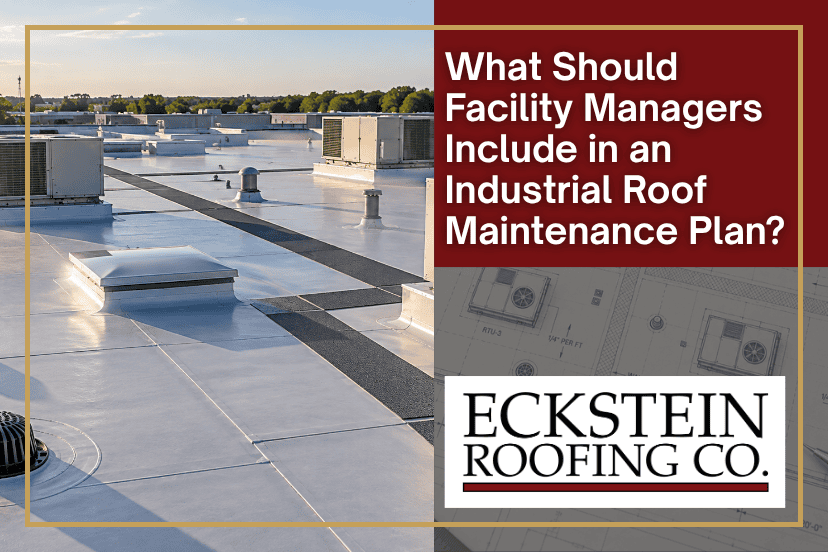
 An industrial roof maintenance plan should do more than schedule an occasional roof walk. It should create a repeatable system for inspecting the roof, documenting conditions, performing routine maintenance, tracking repairs and leak locations, managing rooftop traffic, and using that history to make better facility decisions over time.
For many facilities, a practical starting point is a regular inspection schedule such as semiannual reviews in spring and fall, with additional inspections after severe weather or unusual rooftop activity. NRCA has long recommended at least twice-yearly roof inspections and post-storm checks. The schedule is important, but the real value comes from comparing each inspection with what was observed before.
Industrial buildings do not require a separate category of roofing simply because of how the building is used. Many industrial facilities use the same low-slope roof systems found on other commercial properties. The maintenance plan should therefore reflect the actual roof system, layout, drainage, flashings, rooftop equipment, traffic patterns, access points, and known building conditions rather than rely on a generic industrial checklist.
Build the Plan Around a Repeatable Inspection Schedule
A maintenance plan works best when inspections occur on a schedule instead of only after a leak. A facility team needs comparable snapshots of roof condition at regular intervals. That makes it easier to distinguish a new condition from something that has remained stable for years.
Our commercial roof maintenance program uses semiannual inspections as a baseline. That is one practical schedule, but it may not be right for every building. Inspection timing may need to increase when a roof has a history of recurring leaks, frequent rooftop service activity, older details, severe-weather exposure, or other documented concerns.
The plan should also define what triggers an unscheduled inspection. Severe wind or hail, work by another trade, installation or removal of rooftop equipment, and a reported interior water event can all justify a focused review. The point is not to create paperwork for its own sake. It is to make sure a meaningful event on the roof is followed by a condition check while the event is still fresh in everyone’s mind.
Written Reports and Photos Turn Roof Walks Into a Condition History
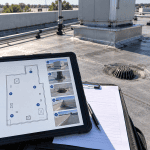 An inspection without records is difficult to use as a management tool. Written reports and photographs allow a facility manager to compare conditions from one inspection to the next, confirm whether a repair was completed, and recognize when the same area keeps reappearing.
Each report should identify the inspection date, general roof conditions, specific locations reviewed, observed damage or deterioration, maintenance performed, repair recommendations, and any items that require follow-up. Photos become much more useful when they are tied to locations instead of saved as a folder of unidentified roof pictures. A roof plan, grid, equipment number, drain number, parapet side, or other repeatable reference can give future inspections a common language.
That history matters because roof problems often happen in the same areas more than once. One isolated wet ceiling tile can be hard to interpret. Three reports showing moisture evidence in the same interior area during wind-driven rain create a pattern worth investigating. Likewise, repeated surface damage near the same air-handling unit can point the facility team toward access and service traffic as a management issue, even before another puncture occurs.
Treat Drainage as an Ongoing Observation, Not a One-Time Check
Drainage maintenance should include keeping drains, scuppers, gutters, and the roof areas that feed them clear of debris. It should also include watching for recurring standing water in the same locations and documenting when it appears, how extensive it is, and whether the condition changes over time.
Duro-Last® maintenance guidance states that drains should be kept clear and debris should be removed during maintenance inspections. Its maintenance materials also emphasize keeping gutters, downspouts, drains, scuppers, and surrounding roof areas clean so water can leave the roof as intended.
The maintenance plan does not need to diagnose every reason water is remaining on the roof. We have covered those mechanisms separately in our explanation of what causes ponding water on flat roofs. For maintenance purposes, the facility manager’s job is to keep drainage areas open, record recurring ponding, and recognize when the pattern warrants a deeper roofing evaluation.
Inspect the Roof Surface for Change, Not Just Obvious Leaks
A maintenance inspection should look across the roof surface for changes that could affect watertightness or make the assembly more vulnerable to future damage. On membrane roofs, that can include tears, punctures, abrasions, open seams, displaced components, or other visible surface damage. On other commercial roof types, the details will differ, which is why the plan has to match the system actually installed.
The important management question is not merely, “Is there a hole?” It is, “What changed since the last inspection, where is it, and does it require maintenance, professional repair, or continued observation?” A small abrasion that remains unchanged may be managed differently from a puncture that exposes underlying material or a seam condition that has visibly progressed between inspections.
That is also why photographs should be repeated from similar viewpoints whenever practical. Condition change is easier to judge when the facility team can place today’s image beside the previous one instead of relying on memory.
Flashings, Curbs, Penetrations, and Sealants Deserve Their Own Review
Low-slope roofs are interrupted by walls, equipment curbs, pipes, vents, drains, expansion details, parapets, and other transitions. Those locations deserve deliberate attention because they bring together different materials, changes in plane, termination points, and service activity.
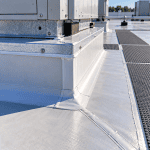 A useful maintenance plan should identify the building’s recurring detail types and make them part of every scheduled inspection. That may include curb flashings, parapet wall transitions, roof-to-wall conditions, penetration pockets, pipe flashings, edge conditions, sealants, and terminations. The objective is to observe whether those details remain intact, securely attached, properly sealed where sealant is part of the detail, and free of new damage.
Duro-Last® educational material describes penetrations and transitions as critical workmanship areas in single-ply roofing, which is one reason those details deserve more attention than a quick glance across the open field of the roof. The manufacturer also identifies flashing and penetration workmanship as important to roof performance.
Rooftop Equipment and Service Traffic Need Extra Attention
Facility managers often share roof space with HVAC technicians, electricians, controls contractors, mechanical crews, and other trades. Even when the roofing system itself is performing well, repeated access can concentrate wear around equipment, hatches, ladders, service routes, and work areas.
A maintenance plan should therefore identify high-traffic zones and compare them consistently. Look for scuffs, abrasions, punctures, displaced walk pads where present, dropped fasteners or debris, open access panels, and evidence that tools or equipment have been placed directly on the roof surface. If damage repeatedly appears in the same route, the solution may involve better access control, clearer service paths, protective measures appropriate to the roof system, or coordination with the trades using the roof.
Roof access is also a safety-management issue. OSHA requires employers to provide safe access and egress to walking-working surfaces and to inspect them regularly and as necessary. Fall-protection requirements depend on the work, roof configuration, distance from edges, and applicable standard, so access procedures should be established with the facility’s safety responsibilities in mind rather than treated as a roofing-only question.
The roofing side of that policy is straightforward: know who is going onto the roof, why they are there, which areas they need to reach, and what condition those areas were in before and after significant work.
The Interior Can Reveal Problems the Roof Surface Does Not
A maintenance plan should connect exterior roof observations with interior building observations. Facility staff are often the first people to notice ceiling stains, wall moisture marks, damp insulation at an accessible interior location, dripping after a storm, or a recurring odor associated with moisture. Those observations belong in the roof record even when the roof surface does not show an obvious opening directly above them.
Interior evidence does not automatically identify the leak source. Water can travel within roof assemblies, along structural components, or around penetrations before becoming visible inside. The useful step is to record the location, date, weather conditions, photos, and any related roof findings so a professional evaluation starts with better information.
When routine maintenance identifies active damage or a leak condition that needs corrective work, it should move into a defined repair process rather than remain an open inspection note. Our commercial roof repair work includes collaboration with building management and maintenance teams, which is especially useful when repair history and facility observations are already organized.
Record Repairs and Recurring Leak Locations So Patterns Become Visible
Every repair should become part of the roof’s permanent maintenance history. Record the date, location, reported symptom, observed roof condition, work performed, and follow-up result. If the same leak location returns, preserve the earlier records instead of replacing them with the newest service ticket.
Over time, a repair log can answer questions that are otherwise surprisingly difficult. Is the facility dealing with unrelated isolated repairs, or is one roof area producing repeated service calls? Are leaks concentrated around one group of penetrations? Does the same condition appear after similar weather? Has a repair remained stable for several inspection cycles?
A roof-management plan becomes more useful when it can show trends, not just a list of completed work.
A Simple Roof-Condition Tracking Framework
Facility managers do not need to turn every inspection into a forensic investigation. A simple framework can help organize what the team sees, what the condition may mean, and what should happen next.
Debris at drains: Debris can obstruct drainage even when the surrounding roof surface appears sound. Clear the drainage path, document what was found, and observe the area after rainfall to confirm that water is moving away as expected.
Recurring ponding in the same area: When standing water repeatedly appears in the same location, treat it as a recurring condition rather than a one-time observation. Compare current photos with previous inspection records to see whether the area is changing and determine whether further roof evaluation is warranted.
New puncture or open seam: A puncture or open seam can interrupt the continuity of the roof’s weathering surface. Record the exact location and surrounding conditions, including nearby equipment or service traffic, and arrange for professional evaluation and repair.
Repeated damage near rooftop equipment: When damage continues to appear around HVAC units or other equipment, service traffic or work practices may be contributing to roof wear. Review how technicians reach the equipment, whether designated walkways or work-area protection are being used, and whether previous service activity corresponds with the damage. Address the roof condition and adjust access practices where appropriate.
Interior stain with no obvious roof opening: An interior stain does not necessarily identify the point where water entered the roof assembly. Record the stain’s location, when it appeared, recent weather conditions, and nearby rooftop details. That information gives the roofing professional a better starting point for investigation rather than relying on guesswork.
Manage Roof Access Instead of Treating Traffic as Unavoidable
Roof traffic is not inherently a problem. Unmanaged roof traffic is. A facility manager can reduce avoidable damage by controlling access, establishing preferred travel routes, communicating roof restrictions to other trades, and requiring significant rooftop work to be reported.
A useful access log can be simple: date, company or department, purpose of access, area visited, and whether any work was performed that could affect the roof. If a leak or puncture appears shortly afterward, that record gives the facility team a starting point. It also creates accountability without assuming that every roof problem was caused by another trade.
For roofs where access is frequent, coordinate traffic-control measures with the roofing system manufacturer or qualified roofing contractor. Walkway products, attachment methods, and protection details can be system-specific, so the maintenance plan should not prescribe a generic material that might be incompatible with the roof.
Use Maintenance Records for Budgeting and Long-Term Roof Planning
The maintenance record is not only a technical file. It can become a budgeting tool. When facility managers can show inspection findings, completed repairs, recurring leak zones, drainage observations, traffic-related damage, and areas requiring follow-up, roofing discussions become easier to connect to capital planning.
For example, a facility may have several roof sections installed at different times or serving different building additions. A common maintenance process lets the manager compare which areas are stable and which are consuming more service attention. That does not, by itself, determine whether a section should be replaced. It does provide better evidence for annual maintenance budgets, reserve planning, and the timing of more detailed professional evaluations.
Good records also reduce the “institutional memory” problem. When a facility manager changes roles, a maintenance technician retires, or a service provider changes, the roof history should not disappear with them.
The Maintenance Plan Should Match the Actual Roof
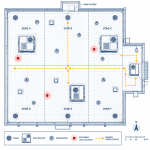 Industrial facilities may have PVC, TPO, EPDM, modified bitumen, built-up roofing, metal roofing, or combinations of systems across additions and roof sections. The maintenance plan should not become a comparison of those materials. It should identify what is actually installed and then use the appropriate inspection points, manufacturer requirements, repair materials, and access precautions for that system.
The same principle applies to building configuration. A large open roof with a few penetrations is managed differently from a roof crowded with curbs, pipes, exhaust components, parapets, level changes, and frequent service routes. Drainage design, rooftop equipment density, access locations, past repairs, and known leak history all shape what deserves attention during each inspection.
A plan is useful when it is specific enough that the next person can follow it. “Inspect the roof” is not a plan. “Inspect twice each year, photograph the same drainage zones and recurring repair locations, review all flashing and penetration details, check high-traffic service areas, compare interior moisture reports, update the repair log, and assign follow-up actions” is much closer to one.
What Should Be in the Industrial Roof Maintenance File?
A practical facility roof file should make it possible to understand the roof without reconstructing years of history from emails and service invoices. At minimum, keep the following information together:
- Basic roof information by section, including known system type and installation or major replacement dates when available.
- A recurring inspection schedule and records of unscheduled post-event inspections.
- Written inspection reports with dated, location-specific photographs.
- Drainage observations, including debris removal and recurring standing-water locations.
- Condition records for membrane or roof surfaces, seams, flashings, curbs, parapets, penetrations, penetration pockets, sealants, and perimeter details.
- Rooftop access and service-traffic records when activity is significant enough to affect roof management.
- Interior moisture reports tied to dates and locations.
- Repair records that preserve the original problem, work performed, and follow-up result.
- A list of recurring problem areas or conditions that require closer observation.
- Open action items with a responsible person and follow-up date.
- Annual budgeting notes that connect recurring maintenance needs to longer-term roof planning.
A Better Plan Makes the Roof Easier to Manage
The strongest industrial roof maintenance plans create continuity. They tell the facility team what to inspect, what to document, what to maintain, which conditions are recurring, who has been on the roof, what repairs have been made, and what still needs attention. That turns maintenance from a series of disconnected service calls into an ongoing roof-management process.
We have served Greater Cincinnati since 1945 and work across commercial low-slope roof systems, commercial roof repair, and preventative maintenance. Our maintenance program includes semiannual inspections, written reports, photographs, drainage review, flashing and penetration observations, and roof-condition monitoring. For facility managers who want a repeatable process instead of waiting for the next leak to define the schedule, we can help establish a maintenance approach that fits the actual roof and building.
Schedule your commercial roof maintenance review and start building a condition record your facility team can use from one inspection to the next.
Frequently Asked Questions
How often should an industrial roof be inspected?
A common baseline is at least twice each year, often in spring and fall, plus additional inspections after severe weather or other events that could affect the roof. The appropriate frequency can increase when a roof has recurring problems, heavy service traffic, or other documented concerns.
Should the maintenance plan be different for an industrial building than for another commercial building?
Not because the building is labeled industrial. The plan should be based on the actual roofing system, roof configuration, drainage, rooftop equipment, access, traffic patterns, and building conditions. Industrial facilities often use the same low-slope roofing systems found on other commercial buildings.
What should facility managers document after a roof leak?
Record the interior location, date and time observed, weather conditions, photos, related roof area, prior leak history, professional findings, repair performed, and whether the condition recurred. Keeping earlier records makes patterns easier to identify.
Why track rooftop service traffic?
Service traffic can concentrate wear around access points, equipment, and travel routes. An access record helps the facility team connect roof condition with significant rooftop activity and improve coordination with other trades without automatically assuming they caused a problem.
Can maintenance records help with budgeting?
Yes. Inspection history, repair frequency, recurring problem locations, and open maintenance items provide evidence that can support annual maintenance budgets and longer-term capital planning. The records do not replace a professional roof evaluation, but they make planning less dependent on guesswork.