

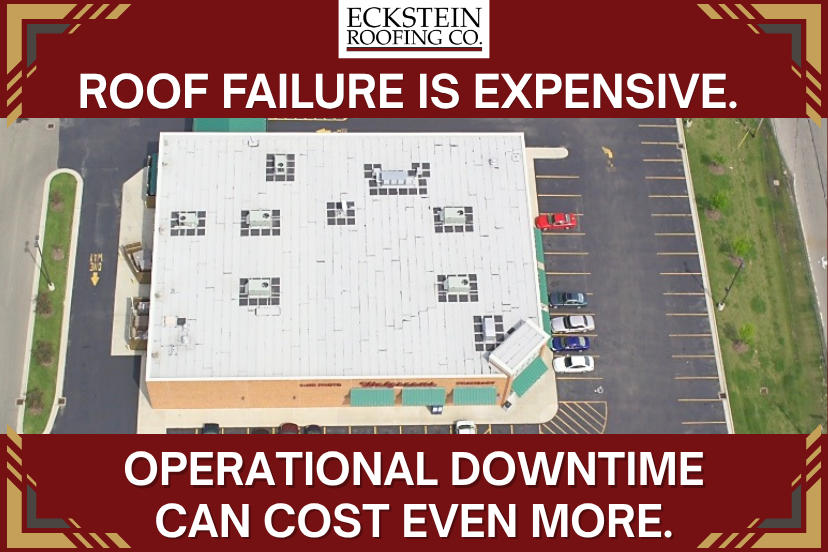
For many facility managers, property owners, and business operators, one question comes up before any major roofing project begins: can you replace a commercial roof without interrupting operations?
The answer is yes. In most cases, a commercial roof replacement can be completed while a business continues operating. However, success depends on proper planning, experienced installers, the right roofing systems, and a contractor that understands how to work around active facilities.
At Eckstein Roofing, we have been helping businesses protect their facilities since 1945. With more than 80 years of roofing experience and third generation family ownership, we understand that your roof is only one part of your operation. Your employees, customers, inventory, equipment, and production schedules must continue functioning while roofing work takes place.
Because we provide both commercial and residential roofing services, certified installations for multiple major manufacturers, specialty metal roofing expertise, tile roofing capabilities, and preventative maintenance programs, we approach commercial projects differently than many contractors. Our goal is not simply to install a roof. Our goal is to help our clients maintain business continuity while protecting one of their most valuable assets.
Why Business Continuity Matters During Commercial Roof Replacement
A roof replacement is a significant investment. According to industry data, roofing projects can represent one of the largest capital expenditures for commercial property owners because the roof protects every other asset inside the building.
The challenge for business owners is that lost productivity often costs more than the roofing project itself.
A manufacturing facility cannot easily stop production. Healthcare facilities must continue serving patients. Retail stores rely on customer traffic. Educational institutions need safe learning environments. Warehouses must continue shipping products.
Consequently, implementing a commercial roof replacement without business interruption is a vital priority for modern roofing systems providers.
We begin every commercial project by evaluating operational requirements before installation begins. Understanding occupancy levels, production schedules, customer traffic patterns, sensitive equipment locations, and facility access points allows us to develop a roofing plan that minimizes disruptions.
How Commercial Roof Replacement Happens Without Shutting Down a Business
The biggest misconception about commercial roofing is that the entire roof must be removed at once. Professional commercial roofing projects are typically completed in carefully managed phases.
We divide large roofs into manageable work sections. This allows occupants to continue using unaffected portions of the building while roofing work progresses across the structure.
Daily work areas are secured and weatherproofed before crews leave the site. Material staging locations are planned to minimize impacts on parking lots, delivery routes, and customer entrances.
This approach allows businesses to continue operating throughout most commercial roof replacement projects. The process becomes even more efficient when advanced roofing systems are used.
The Role of Duro-Last® Roofing Systems in Minimizing Disruption
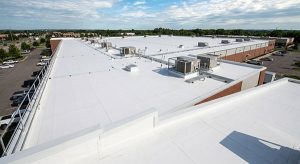
As certified applicators for major commercial roofing manufacturers, we install advanced roofing systems designed specifically to reduce installation time and improve long term performance. One example is the Duro-Last roofing system.
According to Duro-Last, up to 85 percent of membrane seams can be factory welded before materials arrive at the jobsite. This significantly reduces rooftop labor requirements, decreases installation time, and minimizes on site fabrication.
Duro-Last reports that a traditional 50,000 square foot roof may require more than 7,500 linear feet of field seaming. A custom fabricated Duro-Last system may require less than 1,300 linear feet of field seaming.
Fewer seams provide several benefits:
- Faster installation
- Reduced noise levels
- Lower risk of weather exposure
- Fewer opportunities for installation errors
- Reduced disruption to building occupants
Duro-Last specifically notes that custom fabrication can eliminate most on site fabrication activities that contribute to roof leaks and extended project durations. For occupied commercial buildings, these advantages can make a significant difference.
Ready to explore whether a Duro-Last roofing system is right for your facility?
Contact our team today for a commercial roof assessment and discover how a phased installation strategy can help protect your operations while improving your building performance.
What Types of Businesses Can Remain Open During Roof Replacement?
Over the decades, we have worked with a wide variety of occupied facilities.
Many commercial properties can remain fully operational during roofing projects, including:
- Office buildings
- Retail centers
- Warehouses
- Manufacturing facilities
- Churches
- Educational facilities
- Multi family housing properties
- Healthcare facilities
- Municipal buildings
Every building presents unique challenges. For example, healthcare facilities often require strict infection control protocols. Manufacturing plants may have equipment sensitive to vibration or dust. Retail centers must maintain customer access.
Our project planning process accounts for these requirements before installation begins.
Why Experience Matters
A commercial roof replacement performed on an occupied building requires more than roofing knowledge. It requires operational planning. This is where our history matters.
We have served property owners continuously since 1945. That represents more than eight decades of experience solving roofing challenges across multiple generations of building technologies and roofing systems. As a third generation family owned company, we understand the long term relationships required to serve businesses, facility managers, property management firms, and building owners.
Many roofing contractors focus exclusively on residential work or exclusively on commercial roofing. Our expertise in both residential and commercial roofing gives us a broader understanding of building envelope performance. That perspective allows us to evaluate drainage systems, flashing details, roof penetrations, specialty materials, and long term maintenance requirements more comprehensively.
The Importance of Manufacturer Certifications
Commercial roofing is increasingly technical. Modern roofing systems include specialized membranes, insulation assemblies, attachment methods, drainage components, and warranty requirements.
That is why manufacturer certifications matter. Eckstein Roofing maintains certified applicator status with multiple major commercial roofing manufacturers. These certifications demonstrate that our installation teams meet manufacturer standards for system installation and quality control.
Proper installation is critical because roofing system performance depends on both material quality and workmanship. Manufacturer approved installation procedures help ensure that commercial property owners receive the performance they expect from their roofing investment.
Planning Around Weather Risks
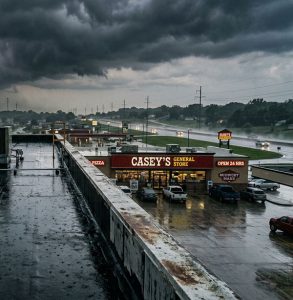
One of the biggest concerns during any commercial roof replacement is weather exposure. A properly managed roofing project limits exposure through phased construction techniques. Work areas are strategically opened and dried in as installation progresses.
Advanced roofing systems also help reduce exposure time. Duro-Last notes that reduced rooftop seaming and factory fabrication contribute to faster installations and less weather related risk. This efficiency becomes especially valuable during seasons with unpredictable weather conditions.
Preventative Maintenance Makes Future Projects Easier
One factor that often gets overlooked is preventative maintenance. Many emergency roof replacements occur because building owners wait until significant deterioration occurs.
At Eckstein Roofing, we offer preventative commercial maintenance programs designed to identify roofing issues before they become operational emergencies.
Routine inspections can help identify:
- Membrane damage
- Flashing deterioration
- Drainage issues
- Sealant failures
- Surface wear
- Storm related damage
Addressing these concerns early often extends roof life and reduces the likelihood of disruptive emergency repairs. Preventative maintenance also provides valuable documentation that helps facility managers make informed budgeting decisions.
Commercial Roof Replacement Without Business Interruption Requires Communication
Communication is often the difference between a smooth project and a frustrating experience. Our project teams work closely with facility managers throughout the roofing process.
We coordinate:
- Material deliveries
- Crew access
- Parking requirements
- Safety zones
- Occupant notifications
- Weather contingencies
- Daily progress updates
This communication helps eliminate surprises and allows businesses to continue operating confidently throughout the project.
What About Mixed Use Properties?
Many modern properties include both residential and commercial occupancy. Because Eckstein Roofing maintains expertise in both commercial and residential roofing systems, we are uniquely positioned to address mixed use projects.
Apartment communities, condominium developments, retail residential complexes, and hospitality facilities often require a combination of roofing knowledge. Our experience across multiple roofing disciplines helps ensure consistent project management and quality control.
Roofing Products Matter Too
While commercial roofing often focuses on membrane systems, many mixed use and residential structures utilize asphalt shingles. We install CertainTeed roofing products because of their proven performance and manufacturer support.
CertainTeed Landmark® shingles feature Class A fire resistance ratings, impact resistance options, algae resistant technologies, and wind warranties up to 110 mph with upgrades available to 160 mph depending on system configuration. CertainTeed Landmark ClimateFlex® shingles also provide UL 2218 Class 4 impact resistance and enhanced granule adhesion for improved durability.
For clients evaluating roofing investments across multiple property types, having access to both advanced commercial systems and premium residential products creates a more comprehensive roofing solution.
Considering a roof replacement this year?
Schedule a consultation with Eckstein Roofing and let our team evaluate your building, review your operational requirements, and create a replacement strategy designed to minimize disruptions while maximizing long term performance.
No Shutdown Needed?
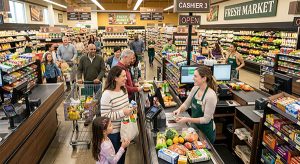
Can you replace a commercial roof without interrupting operations?
In most cases, absolutely.
Successful projects depend on experienced contractors, detailed planning, phased installation methods, advanced roofing systems, and proactive communication.
Our 80 plus years of experience, third generation family ownership, commercial and residential expertise, manufacturer certifications, specialty metal capabilities, and preventative maintenance programs position us to deliver roofing solutions that support both building performance and business continuity.
When your facility requires a roof replacement, you should not have to choose between protecting your building and maintaining operations. With our team, you can accomplish both.
Frequently Asked Questions
Can businesses stay open during a commercial roof replacement?
Yes. Most commercial facilities can remain operational during roofing projects when phased construction methods and proper planning are used.
What roofing system helps reduce business disruptions?
Duro-Last roofing systems can reduce rooftop labor because up to 85 percent of membrane seams are factory welded before arriving at the jobsite. This can reduce installation time and disruption.
How long does a commercial roof replacement take?
Project duration depends on roof size, system type, weather conditions, and building complexity. A professional assessment is required for accurate scheduling.
Why choose a certified roofing contractor?
Certified contractors are trained to install manufacturer approved systems according to required specifications, helping ensure warranty compliance and long term performance.
Does preventative maintenance extend roof life?
Yes. Routine inspections and maintenance can identify minor issues before they become major problems, helping maximize roofing system longevity.