

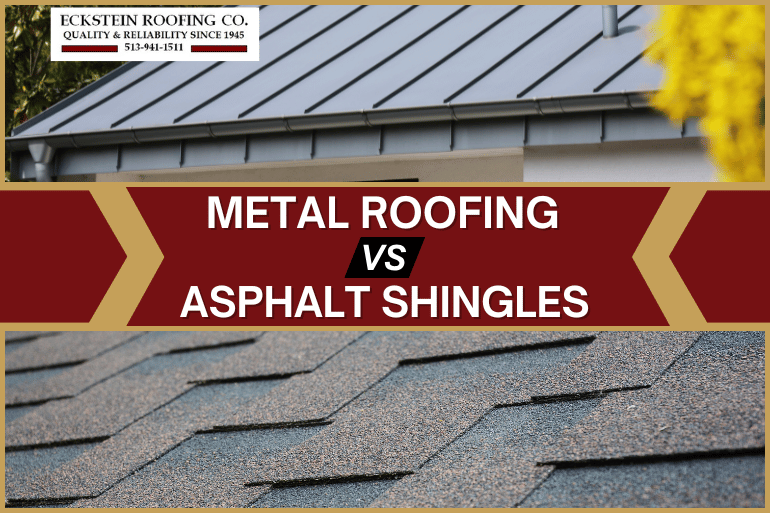
Choosing between metal roofing and asphalt shingles is one of the most common, and most important decisions, homeowners face when replacing a roof. The right choice isn’t the same for everyone. It depends on your budget, how long you plan to stay in your home, and what you expect out of your roof long term.
What matters most isn’t just the difference between materials, it’s how each system performs over time. This breakdown is designed to help you understand not just the pros and cons, but which option actually makes sense for your situation.
Understanding the Basics of Metal and Asphalt Roofing
Before comparing options, it’s important to understand what you’re actually getting with each system and why that matters over time.
Metal roofing systems are typically fabricated from steel, aluminum, or other durable alloys. These panels or shingles are engineered to interlock and create a highly weather resistant barrier. Many systems are coated to prevent rust and enhance longevity, which contributes to their reputation for durability and long term performance.
Asphalt shingles are constructed using a fiberglass mat that is saturated with asphalt and finished with protective granules. These granules provide UV resistance and color, but over time they can wear away, which is one of the reasons asphalt roofs eventually need replacement.
When evaluating metal vs asphalt roofing, you are essentially comparing a system designed for long term durability with one designed for affordability and flexibility. Where this becomes important is in how the roof performs over time. Two roofs can look similar on day one, but the difference in materials, installation, and overall system design can have a major impact on how they hold up years down the road.
This is also where having the right guidance matters. Choosing the right system isn’t just about material, it’s about how that system fits your home, your budget, and your long-term plans.
Cost Comparison and Long Term Value
For most homeowners, cost is where the conversation starts, and where a lot of decisions get made too quickly. Asphalt shingles have a lower upfront cost, which makes them the most common choice for homeowners.
Metal roofing requires a higher initial investment. Depending on the type of metal and the complexity of the roof, the cost can be significantly higher than asphalt. But the upfront price doesn’t tell the whole story. The biggest mistake we see is homeowners focusing only on initial cost instead of what the roof will cost them over time.
Over time, metal roofing often becomes the better long-term investment, especially for homeowners planning to stay in their home. Because metal roofs last longer and typically require fewer repairs, many homeowners end up spending less over the life of the roof.
In many cases, a lower upfront price can end up costing more if the system doesn’t hold up the way it should. When you factor in potential energy savings and reduced maintenance, the total cost of ownership often favors metal.
In our experience, homeowners planning to stay long term tend to benefit more from metal, while those looking for a shorter-term solution often lean toward asphalt.
Lifespan and Structural Durability
One of the biggest differences between metal and asphalt roofing is how long each system actually lasts. Metal roofs can last significantly longer than asphalt shingles, often performing well for forty to eighty years when properly installed and maintained.
Asphalt shingles typically last in the range of twenty to thirty years. While that is sufficient for many homeowners, it does mean that replacement will likely be needed at least once during long term homeownership. In the field, we regularly see asphalt roofs reaching the end of their life while properly installed metal systems from decades earlier are still performing.
Lifespan is one part of the equation, but durability matters just as much. Metal roofs are designed to handle harsh conditions, including strong winds, heavy rain, and even fire exposure. They are less likely to crack, warp, or deteriorate under stress.
Asphalt shingles are reliable, but they’re more vulnerable to long-term exposure from sunlight, temperature swings, and moisture. Over time, that wear shows up in the form of granule loss, brittleness, and increased maintenance needs. This gradual wear leads to the need for repairs and eventual replacement.
From what we see in the field, homes with metal roofing tend to experience fewer emergency repairs after severe weather, which can make a noticeable difference during storm season.
Maintenance and Ongoing Care
Maintenance is where the long-term reality of each system really starts to show. Metal roofs typically require minimal upkeep. Once installed correctly, they usually only need occasional inspections to make sure fasteners and seams remain secure.
Asphalt roofs require more ongoing attention. Homeowners need to watch for missing shingles, algae growth, and general wear over time. These are the types of issues we see come up regularly during inspections, especially as the roof ages. Regular maintenance can extend the life of an asphalt roof, but it also adds to the overall cost and effort over time.
We usually tell homeowners that this decision comes down to how involved you want to be in maintaining your roof over time. If you prefer a lower-maintenance option, metal is typically the better choice. And in many cases, that lower level of maintenance becomes more valuable the longer you own the home.
Energy Efficiency and Interior Comfort
Energy efficiency has become a bigger priority for homeowners, and your roofing system plays a role in how your home handles heat and temperature changes.
Metal roofs are known for their ability to reflect solar heat. This can help reduce heat buildup in the attic and make it easier to keep your home cooler during the warmer months. Over time, this can lead to noticeable energy savings.
Asphalt shingles tend to absorb more heat rather than reflect it. This can lead to higher attic temperatures, especially during peak summer months. In many homes, the difference isn’t dramatic on its own, but it can become more noticeable when combined with other factors like poor ventilation.
We have worked with homeowners who noticed a difference in cooling performance after upgrading to metal roofing, particularly in homes with significant sun exposure. This is another area where the overall system matters, not just the material itself.
Weather Resistance and Regional Considerations
In a market like Cincinnati, weather resistance isn’t an option, it’s one of the most important factors to consider. Metal roofs perform very well in this category. They’re designed to shed water efficiently, resist wind uplift, and hold up well against hail and debris. After strong wind or hail events, we often see a noticeable difference in how metal systems hold up compared to asphalt.
Asphalt shingles can perform well under normal conditions, but they are more susceptible to damage in severe weather. High winds can lift or remove shingles, and hail can cause impact damage that affect their integrity. That said, performance also depends heavily on installation quality and the condition of the roof going into the storm.
For homeowners in areas that experience frequent storms, durability becomes a bigger part of the decision, and in many cases, that’s where metal has an advantage. But regardless of the material, making sure the system is installed correctly is what ultimately determines how well it performs when the weather hits.
Installation and Project Timeline
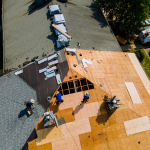
The installation process is another important factor to consider, and it plays a bigger role in performance than most homeowners realize. Asphalt shingles are generally quicker and easier to install. This typically means lower labor costs and shorter project timelines, which can be appealing for homeowners who want minimal disruption.
Metal roofing requires more specialized installation techniques. It’s not just a different material; it’s a different level of installation. Precision is critical, and not every contractor has the expertise to install metal systems correctly. We’ve seen situations where improper installation leads to issues long before the material itself should have failed. This is why it is essential to work with a qualified roofing company if you choose metal.
While installation may take longer and cost more, the result is a highly durable system that can deliver decades of reliable performance when done correctly.
Appearance and Design Flexibility
Curb appeal is an important consideration for many homeowners, especially when choosing a roofing system that will be visible for decades. Asphalt shingles offer a classic look that fits well with a wide range of home styles. They are available in various colors and textures, making it easy to find an option that complements your home.
Metal roofing has evolved significantly in terms of design. Modern systems can mimic the appearance of traditional materials while offering a more refined and contemporary look. In many cases, the right choice comes down to the style of the home and the overall look you’re trying to achieve. Whether you prefer a sleek panel design or a textured finish, metal provides a range of aesthetic options.
In our experience, both materials can enhance the appearance of a home when chosen thoughtfully and installed the right way.
Environmental Impact and Sustainability
Sustainability is becoming increasingly important, and roofing materials play a role in environmental impact. Metal roofing is often made from recycled materials and can be fully recycled at the end of its life. This makes it an environmentally responsible choice for many homeowners.
Asphalt shingles are more likely to end up in landfills after removal. While recycling options are improving, they are not as widely available as they are for metal roofing systems. That said, for many homeowners, durability and lifespan play a role in long term sustainability.
For homeowners who prioritize sustainability, this can be one of the factors that influences the decision.
Noise and Comfort Considerations
One concern homeowners often have about metal roofing is noise. Metal roofs can be louder during heavy rain or hail, especially if the home lacks proper insulation. However, modern installation methods often include underlayment and insulation that significantly reduce sound levels. In most cases, the difference in noise is not nearly as noticeable as homeowners expect.
Asphalt shingles provide natural sound dampening due to their layered structure. This can make them quieter during storms, which is something some homeowners value.
In most cases, noise differences are minimal when both systems are installed correctly, but it is still a factor worth considering.

Making the Right Choice for Your Home
When helping homeowners navigate between metal and asphalt, we focus less on which option is better and more on which option makes the most sense for their situation. There isn’t a one size fits all answer, because every home and homeowner is different.
If your priority is keeping upfront costs lower and completing your roofing project quickly, asphalt shingles are a practical and reliable solution. They provide solid performance and a familiar appearance that works well for most homes.
If your focus is long term value, reduced maintenance, and enhanced durability, metal roofing is typically the better investment. It offers a longer lifespan, improved energy efficiency, and greater resistance to harsh weather conditions. What matters most is making sure the system you chose aligns with how long you plan to stay in your home and what you expect from your roof over time.
We encourage homeowners to think about their long-term plans. Consider how long you intend to stay in your home, how much maintenance you are willing to handle, and how important durability and efficiency are to you. Taking the time to think through those factors usually leads to a much better decision than focusing on price alone.
Thoughts from Our Team
We’ve worked with both metal roofing systems and asphalt shingles for years, and understand where each one makes sense. The decision ultimately comes down to your specific needs, goals, and budget.
A roof isn’t just a covering. It’s a system that protects your home and plays a role in everything from maintenance costs to overall comfort. Choosing the right system can make a noticeable difference in how your home performs over time.
If you’re unsure which option makes the most sense, getting a professional evaluation can help you make the right decision based on your home, not just general information. A closer look at your roof and a conversation about your goals can go a long way in narrowing down the right approach.
No matter which system you chose, proper installation and quality materials are what ultimately determine how well your roof performs. When everything is done correctly, both metal and asphalt roofing systems can provide dependable protection and long-term value.