

Storm damage is one of the most common reasons homeowners suddenly have to make decisions about their roof, but it’s rarely as straightforward as it seems. In many cases, what looks “fine” from the ground isn’t the full story. With a closer inspection, we often find compromised shingles, failed seals, or flashing issues that aren’t easily visible from below.
If you are dealing with the aftermath of high winds, hail, or heavy rain, this guide will walk you through exactly what to do next and how to approach the situation in a way that protects your home.
Understanding How Storms Impact Your Roof
Cincinnati weather can be unpredictable. These storms do not just cause obvious damage that can be seen right away. They often create vulnerabilities that may take weeks or months before a hidden issue is now a known issue.
Wind can lift or remove shingles, exposing the underlayment and decking beneath. Hail can create dents, fractures, or granule loss that weaken shingles over time. Heavy rain often finds its way into even the smallest vulnerabilities, leading to leaks that may not be immediately visible.
What makes storm damage difficult is that the costliest problems are often the least visible. Many homeowners assume everything is fine until a leak appears inside the home. By that point, the damage has often spread further than expected.
A proper inspection is less about confirming damage and more about understanding the full condition of the roofing system.
Prioritize Safety First
After a severe storm, your first priority should always be safety. Downed power lines, fallen branches, and structural damage can pose serious risks. Avoid climbing onto your roof or attempting any repairs yourself.
From our experience, one of the most common mistakes homeowners make is trying to inspect damage up close immediately after a storm. Wet surfaces, loose shingles, and compromised decking can make your roof extremely dangerous.
Instead, perform a ground level inspection. Look for visible signs such as missing or displaced shingles, debris accumulation on the roof, pieces of roofing material in your yard, bent or damaged flashing and water stains on ceilings or walls. If you notice any of these issues, it is time to call a professional.
Schedule a Professional Roof Inspection
After any significant storm, a professional inspection should be your first real step, not just to confirm damage, but to understand what’s actually happening with your roof system. Minor issues are rarely isolated and they tend to expand if not addressed early.
A proper inspection involves more than just a visual check. Many contractors stop at surface-level observations. A thorough inspection should evaluate the entire system, not just what’s immediately visible. Our team looks for hidden leaks beneath the surface, compromised flashing around vents and chimneys, drainage issues that could lead to ponding water and structural concerns within the roof system itself.
Roof systems endure constant exposure to the elements and are often overlooked until a problem arises. Regular inspections help identify issues early before they become costly repairs.
This step is critical in the roof repair process because it establishes the full scope of the damage.
Document the Damage
Before any repairs begin, documentation is essential especially if you plan to file an insurance claim.
Take clear photos of:
- Exterior roof damage
- Interior water stains or leaks
- Damaged gutters, siding, or flashing
- Fallen debris
This documentation will support your claim and provide a clear record of the storm’s impact. One mistake we often see is incomplete documentation, which can lead to gaps in coverage or missed damage during the claims process.
Contact Your Insurance Company
Once you have documented the damage, contact your insurance provider as soon as possible. Depending on your policy, storm damage may be covered, but proper documentation and timing play a major role in how the process unfolds.
Your insurance company will likely send an adjuster to assess the damage. Having a knowledgeable contractor involved can help ensure that the full scope of damage is properly identified.
From years of experience, we can tell you that clear communication between your contractor and insurance adjuster helps ensure that all damage is accurately identified and accounted for.
This is another reason why working with a trusted local company is essential when handling storm damage roof repair in the Cincinnati, Ohio area.
Address Immediate Repairs
If your roof has sustained significant damage, temporary repairs may be necessary to prevent further issues. Temporary repairs aren’t just about stopping leaks; they’re about preventing a manageable issue from becoming a much larger problem.
These may include tarping exposed areas, sealing leaks and removing debris that could cause additional damage.
Delaying this step can lead to additional problems such as mold growth, insulation damage, and structural deterioration.
Determine Repair vs Replacement
One of the most common questions we get is whether a roof can be repaired instead of replaced. The answer depends less on visible damage and more on the overall condition and age of the roof system.
However, there are situations where replacement is the better option:
- Extensive shingle loss
- Widespread hail damage
- Structural compromise
- Aging roof nearing the end of its lifespan
One approach we often discuss with clients is balancing repair costs against long term value. In many cases, repeated repairs end up costing more over time than addressing the problem correctly the first time.
This is where experience matters. With many decades of service in Cincinnati, we help our clients make informed decisions based on both current conditions and future performance expectations.
Common Types of Storm Damage in Cincinnati
While every roof is different, most storm damage in Cincinnati falls into a few common categories:
Wind Damage
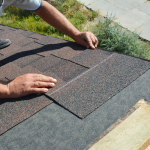
Strong winds can lift shingles, break seals, and expose the underlying structure. This type of damage often leads to leaks if not addressed promptly.
Hail Damage
Hail can cause dents, cracks, and granule loss. While some damage may appear cosmetic, it often weakens the roof’s protective capabilities.
Water Damage
Heavy rain can exploit even minor vulnerabilities, leading to leaks and interior damage.
Drainage Issues
Clogged or damaged drainage systems can result in standing water, which accelerates deterioration and increases the risk of leaks.
Many of these issues are among the leading causes of roof failure, especially when combined with lack of maintenance. Addressing these problems early is essential for effective storm damage roof repair.
Why Timing Matters
One of the biggest mistakes property owners make is waiting too long to address storm damage.
Small issues rarely stay small. A lifted shingle today can become a major leak tomorrow. Moisture intrusion can lead to mold growth, rotting wood, damaged insulation and interior structural issues. By acting quickly, you can significantly reduce repair costs and prevent long term damage.
The difference between a minor repair and a major project often comes down to how quickly the issue is addressed.
The Importance of Preventative Maintenance
Storm damage is often unavoidable, but the extent of that damage can be minimized with proper maintenance.
Routine maintenance includes:
- Regular inspections
- Cleaning debris from drains and gutters
- Checking flashing and sealants
- Identifying minor wear before it worsens
Roofs are constantly exposed to the elements and require ongoing care to perform at their best. Even minor damage can escalate into major issues if left unchecked. Well maintained roofs don’t just last longer, they perform better under stress when storms hit.
Choosing the Right Roofing Contractor
After a storm, many homeowners are approached by contractors focused on speed rather than long term quality. While some may be legitimate, others may not have the experience or accountability needed for quality work. The reality is, storm damage repairs are only as good as the system they’re restoring. Quick fixes may solve the immediate problem, but often lead to larger issues down the road.
Working with a local, established company offers several advantages:
- Knowledge of Cincinnati weather patterns
- Familiarity with local building codes
- Long term accountability and support
- Proven track record in the community
As a third generation company, Eckstein Roofing has built its reputation on reliability, expertise, and long term customer relationships.
When it comes to something as important as your roof, experience and trust matter.
What Sets Professional Storm Damage Repair Apart

Not all repairs are created equal and the difference is usually not visible right away. The goal isn’t just to fix what’s broken, it’s to restore the integrity of the entire roofing system so it performs the way it was intended.
Effective repair goes beyond quick fixes; it requires identifying the underlying causes of damage, using premium materials, guaranteeing correct installation methods, and resolving both apparent and concealed problems.
At Eckstein Roofing, our team has decades of experience working with a wide range of roofing systems, from residential shingles to complex commercial membranes. This depth of expertise allows us to provide solutions that are not only effective but built to last.
Taking the Right Steps After a Storm
Storm damage may be unpredictable, but how you respond to it makes all the difference. Knowing what to do after a storm can make all the difference in protecting your home and avoiding costly repairs.
To recap:
- Prioritize safety
- Schedule a professional inspection
- Document all damage
- Contact your insurance company
- Complete immediate repairs
- Evaluate repair versus replacement
- Invest in preventative maintenance
If there’s one takeaway, it’s this: small roofing issues rarely stay small. Storm damage rarely improves on its own, and early action is the key to minimizing costs and protecting your property.
When you need reliable, experienced help with storm damage roof repair in the Cincinnati, Ohio area, working with a trusted local contractor ensures that your roof and your investment are in good hands.
Your roof isn’t just a structure, it’s a system designed to protect your home, and it requires the right approach to maintain that protection over time that only experienced professionals can provide.